
03. Juli 2026
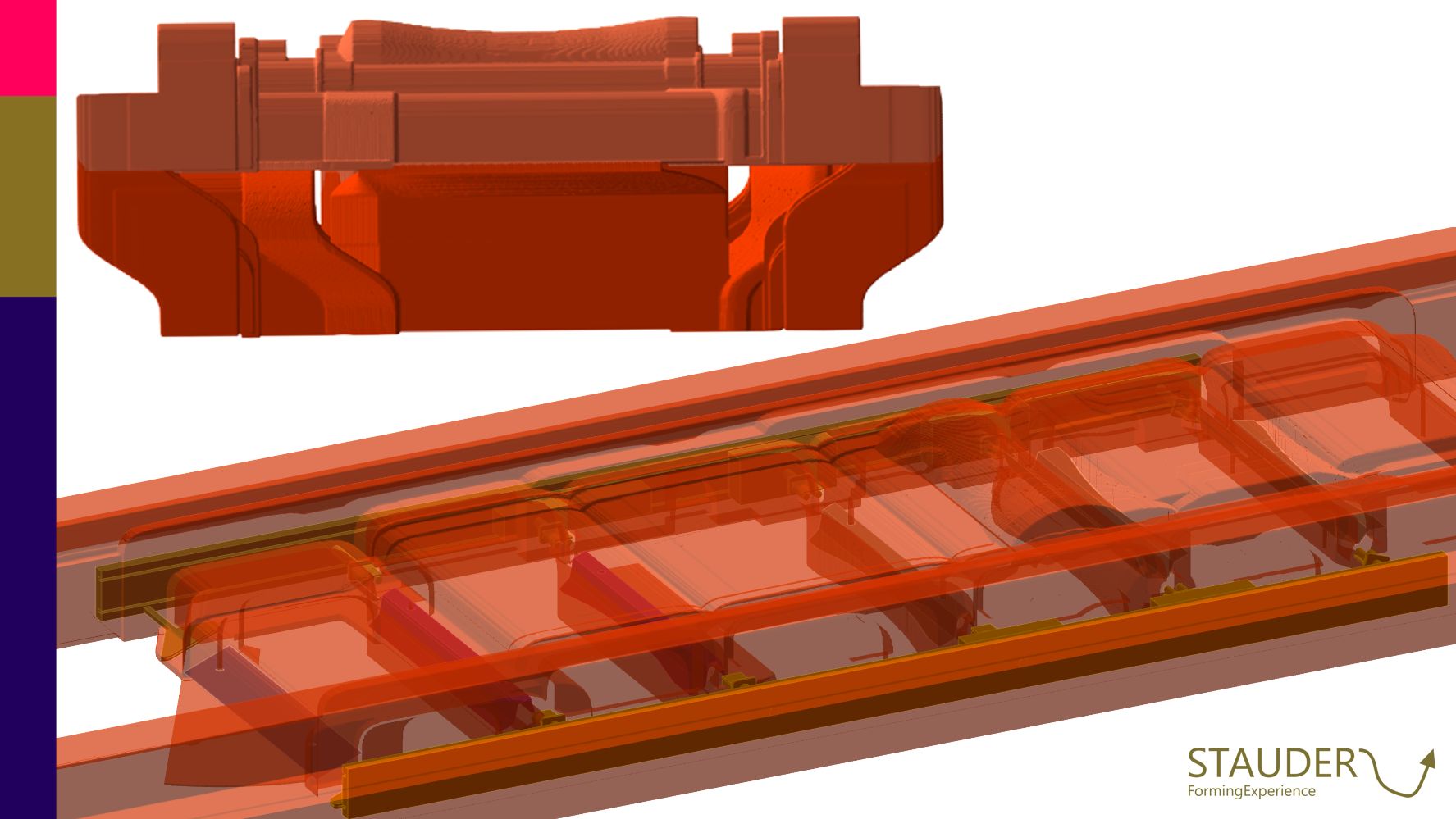
obviFLOW 26_1: Keep-out volumes instead of clearance curves. The classic die layout is a 2D solution to a 3D problem: clearance curves are tedious to create, hard to read, and error-prone. obviFLOW instead generates two 3D sweep volumes covering every critical contour – quickly positioned, easily exchanged, instantly verifiable, with achievable stroke rate and ram velocity implicitly included. The result: faster design, better tool clearance, higher press output.
03. Juli 2026
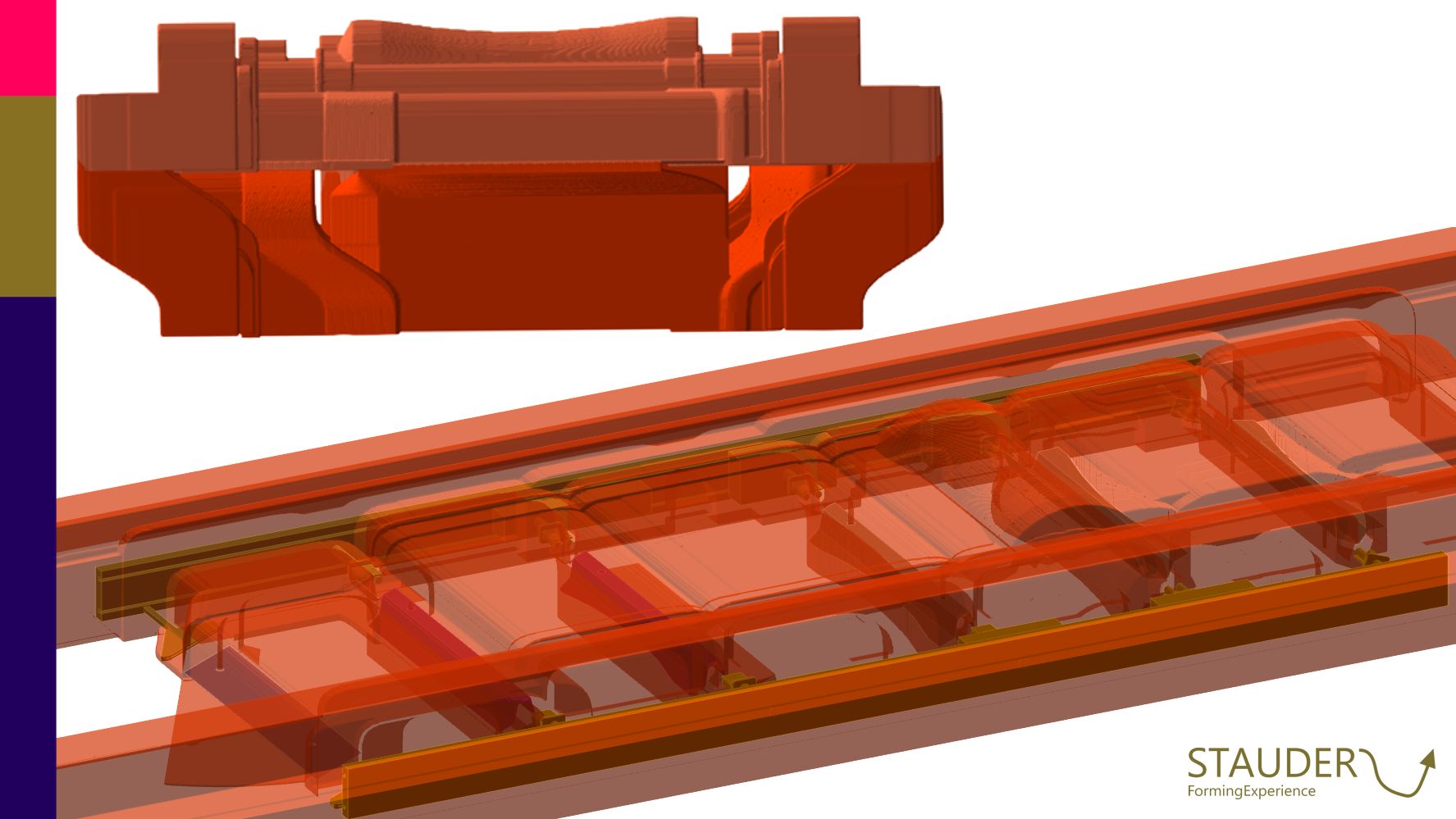
Ein Klick im Modell, ein Sprung im Durchlaufplan: obviFLOW 26_1 ersetzt aufwändige Freigängigkeitskurven durch zwei 3D-Taburäume – mehr Übersicht, schnellere Konstruktion und höhere Pressenausbringung inklusive.

16. Dezember 2025
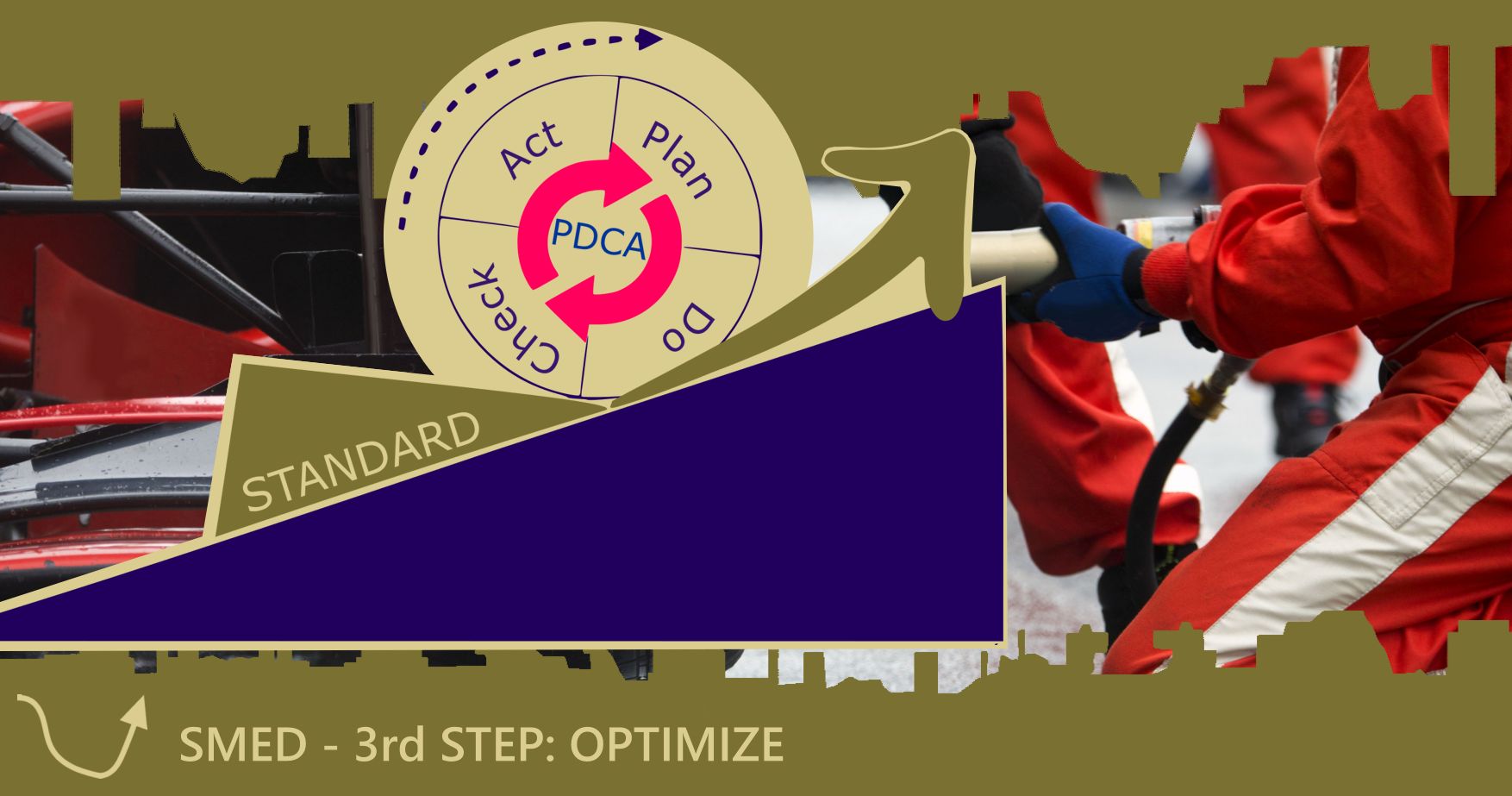
It is not enough to simply “do your best” – it is crucial to know what needs to be done. Part 3 shows how the setup standard is continuously optimized: each step is analyzed, left out, accelerated, or improved. This makes the standard the basis for the PDCA cycle, which is used to make setup processes more efficient, safer, and easier to plan in the long term.
16. Dezember 2025
Es reicht nicht, einfach „sein Bestes zu geben“ – entscheidend ist, zu wissen, was zu tun ist. Teil 3 zeigt, wie der Rüststandard kontinuierlich optimiert wird: Jeder Schritt wird analysiert, weggelassen, beschleunigt oder verbessert. So wird der Standard zur Grundlage für den PDCA-Zyklus, um Rüstvorgänge dauerhaft effizienter, sicherer und planbarer zu gestalten.

05. Dezember 2025
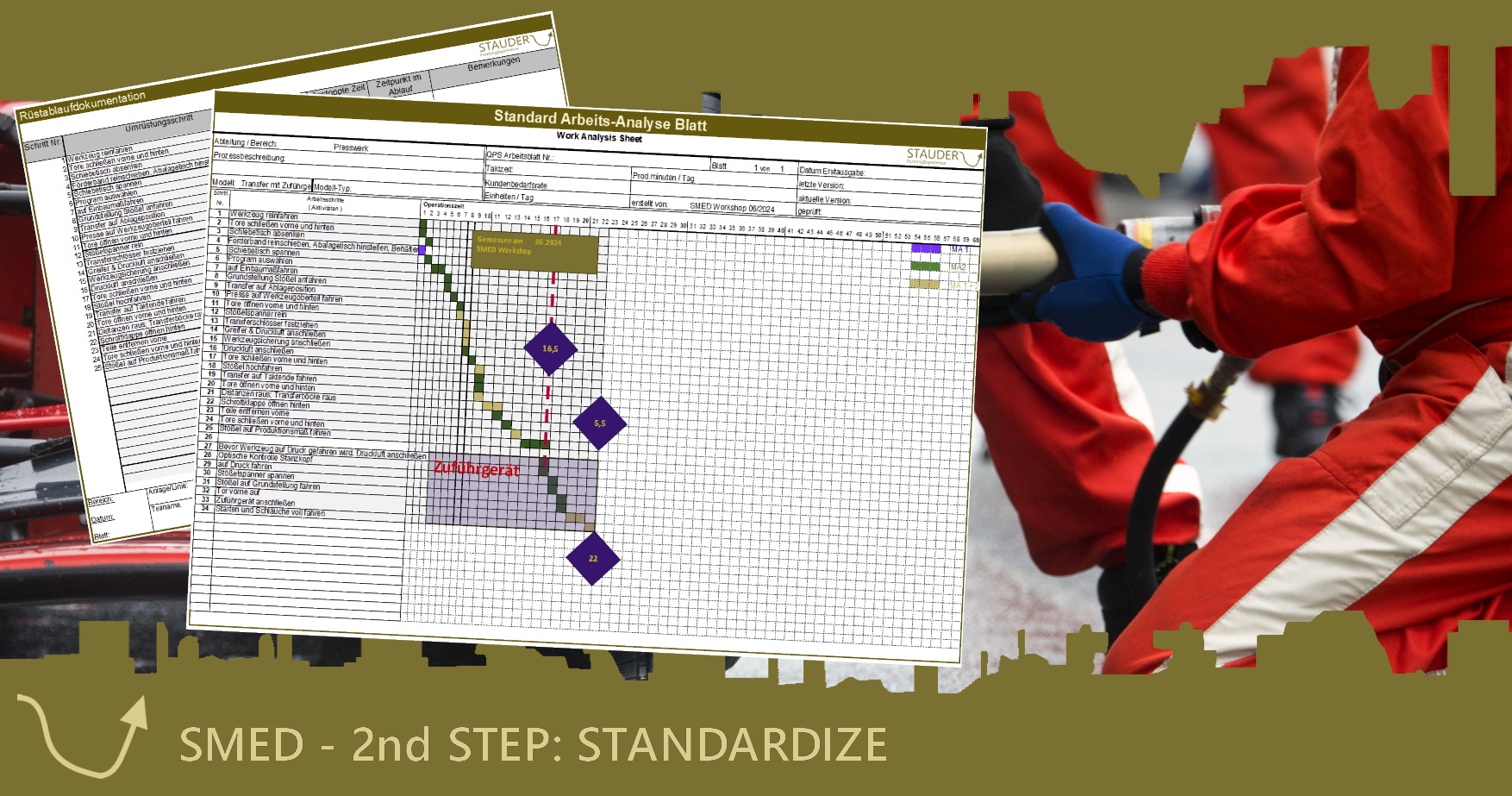
Part 2 of “Quick die change with SMED” deals with standardizing the setup process: All work tasks are identified, divided into internal and external activities, their sequence optimized, times measured, and responsibilities defined. Training and lessons learned result in a predictable, repeatable process that ensures efficiency, quality, and continuous improvement in tool changes.
05. Dezember 2025
In Teil 2 von „Schneller Rüsten nach SMED“ geht es um die Standardisierung des Rüstprozesses: Alle Arbeitsschritte werden erfasst, in interne und externe Tätigkeiten getrennt, ihre Reihenfolge optimiert, Zeiten gemessen und Zuständigkeiten festgelegt. Durch Training und Lessons Learned entsteht ein planbarer, wiederkehrender Ablauf, der Effizienz, Qualität und kontinuierliche Verbesserung im Werkzeugwechsel sichert.
25. November 2025
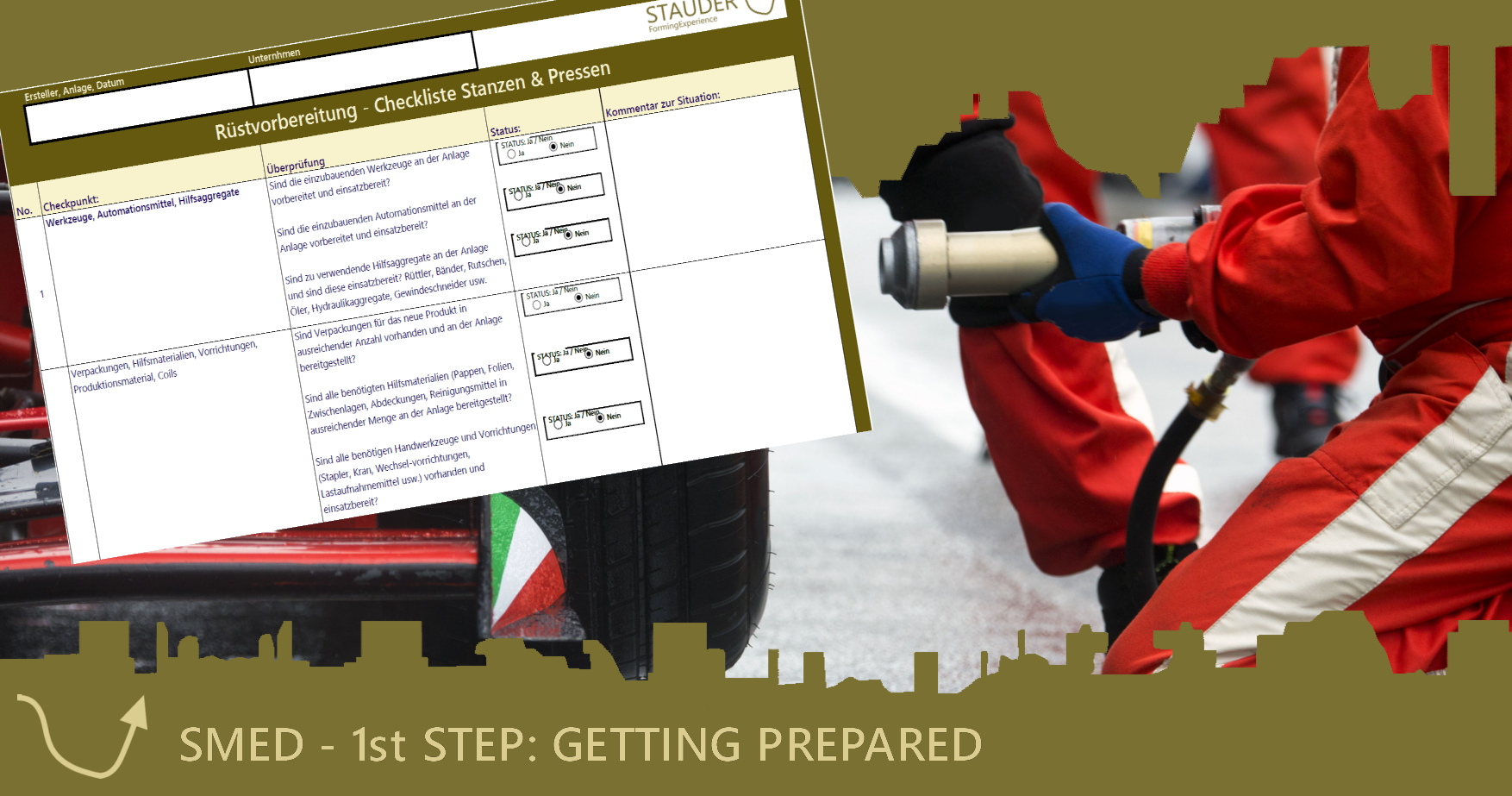
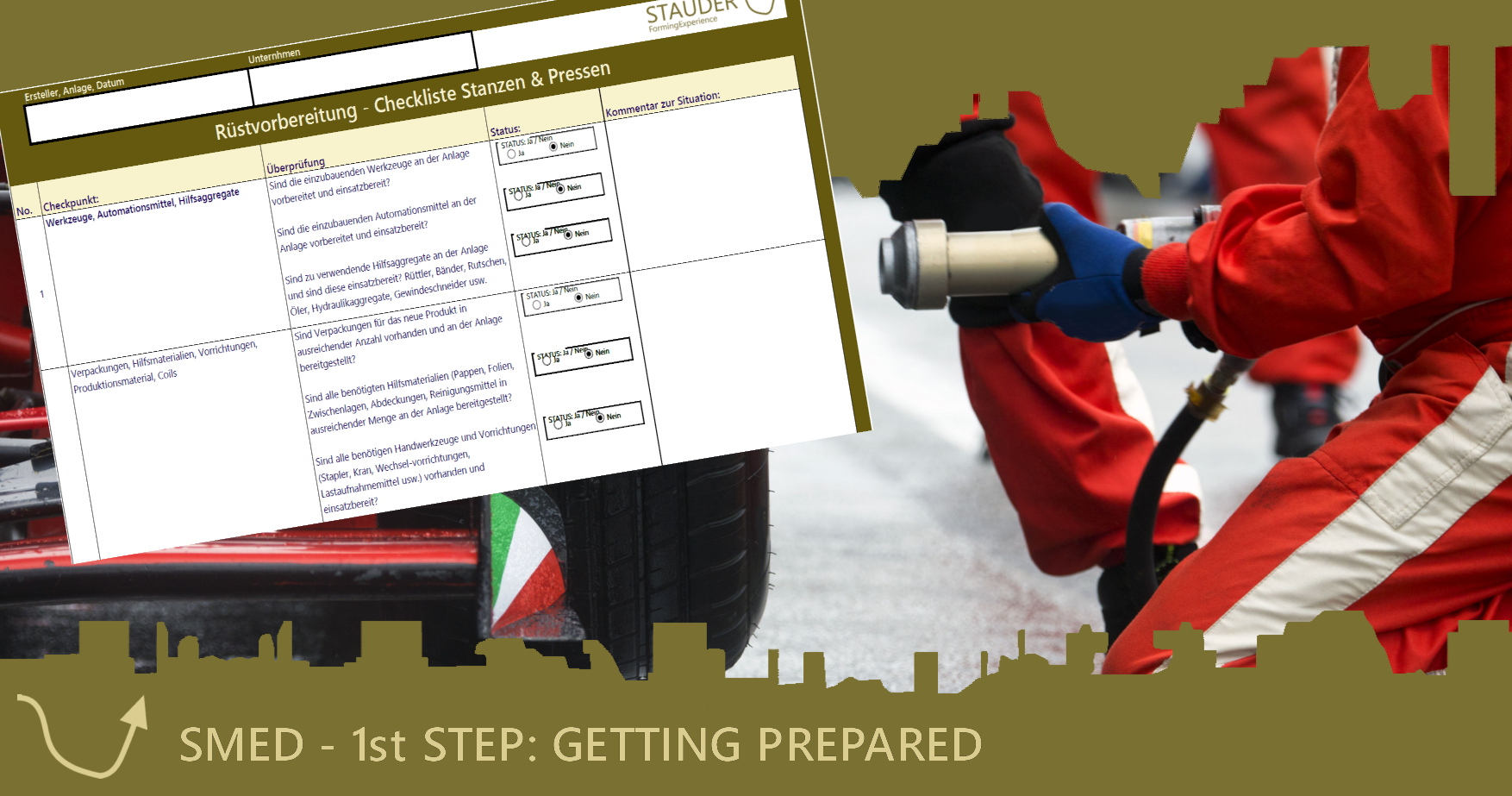
Setup processes are often chaotic and inefficient because tools, materials, and information are not prepared in advance. The first step toward faster setup according to SMED is systematic preparation: all tools, aids, production materials, quality information, and employees must be ready in advance. Checklists—analog or digital—ensure an uninterrupted process and drastically reduce search and waiting times, often halving the setup time.
25. November 2025
Rüstvorgänge sind oft chaotisch und ineffizient, da Werkzeuge, Materialien und Informationen nicht vorbereitet sind. Der erste Schritt zu schnellerem Rüsten nach SMED ist die systematische Vorbereitung: Alle Werkzeuge, Hilfsmittel, Produktionsmaterialien, Qualitätsinformationen und Mitarbeiter müssen vorab bereitstehen. Checklisten – analog oder digital – sichern einen unterbrechungsfreien Ablauf und reduzieren Such- und Wartezeiten drastisch, oft halbiert sich so die Rüstdauer.
07. November 2025
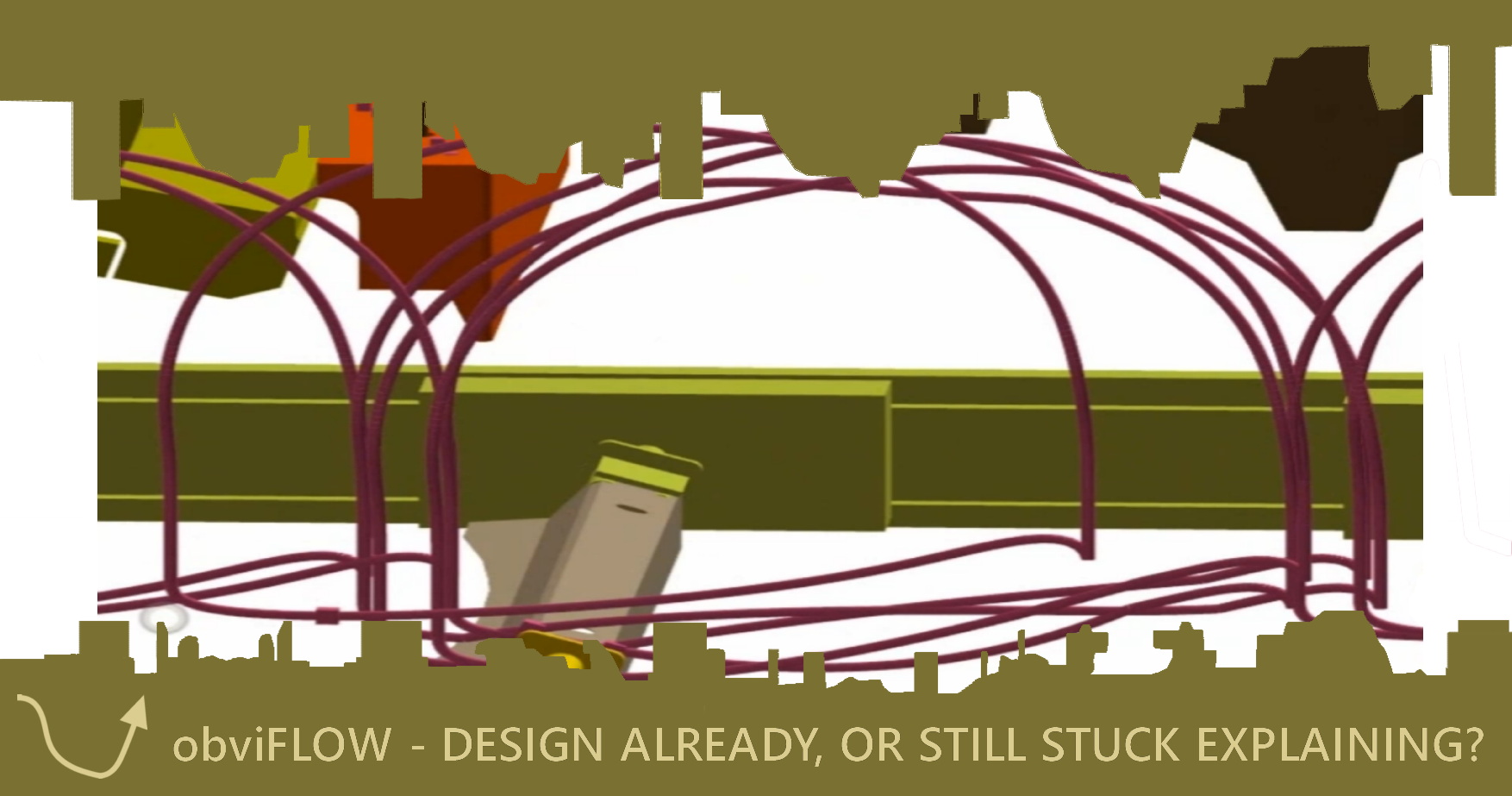
The design of transfer tools is complex and crucial for costs, performance, and process reliability. Unclear use of clearance curves leads to queries and rework.
Virtual, kinematic transfer simulation makes processes transparent, simplifies collaboration, and ensures smooth production. Make the obvious visible – simplify tool design for lower costs and better transfer tools.

07. November 2025
Die Konstruktion von Transferwerkzeugen ist komplex und entscheidend für Kosten, Performance und Prozesssicherheit. Unklare in der Anwendung von Freigängigkeitskurven führen zu Rückfragen und Änderungen.
Mit virtueller, kinematischer Transfersimulation werden Abläufe transparent, Zusammenarbeit vereinfacht und eine reibungslose Produktion. Machen Sie das Offensichtliche sichtbar – vereinfachen Sie die Werkzeugkonstruktion für geringere Kosten und bessere Transferwerkzeuge.